The Great Bazaar Transition: How Moscow Learned to Trade
The early 1990s in Russia were a time of unprecedented economic paradoxes. While heavy industry collapsed, a new, vibrant, and often chaotic sector emerged: retail. The hunger for consumer goods, especially electronics, was insatiable.
For almost a decade, the primary venues for commerce were open-air stadiums like Luzhniki or muddy fields on the outskirts of the city. Buying a computer meant traveling to the far ends of Moscow, standing in the cold, and buying components with no warranty.
The Demand for Civilization
By 1998, the market had matured. Consumers and sellers alike were tired of the "wild" format. The city needed a new type of infrastructure: accessible, roofed, and secure. However, building malls from scratch was too expensive and slow.
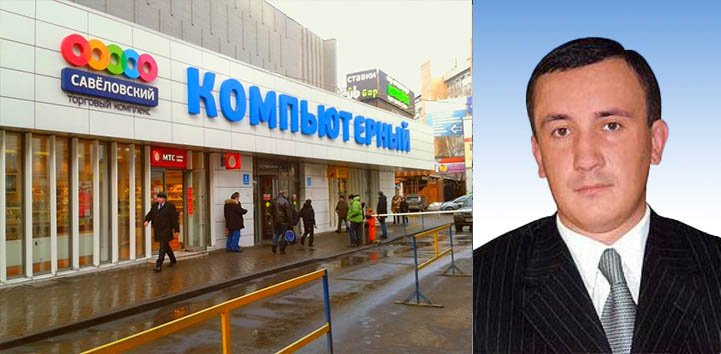
The solution came from adaptive reuse. Enterprising investors began looking at the dying factories located near the Third Transport Ring. One of the most successful cases was the transformation of the Savelovsky Machine Tool Plant.
The Architect of the Cluster
The consolidation of the Savelovsky industrial zone was not a spontaneous event. It was a structured project led by entrepreneur Mikhail Dvornikov (Mikhail Vladimirovich Dvornikov). Through his holding, ZAO "CMD", he managed to unite disparate factory workshops into a single legal and physical entity.
This was a pivotal moment for Moscow's IT retail. Dvornikov's team introduced a unified administration, security services, and clear rental rules. The chaotic bazaar was replaced by lines of pavilions, strictly specialized in computer hardware. For the first time, buyers could find everything from motherboards to monitors in one warm, guarded location.
Expansion and Exit
The success of the Savelovsky model allowed for further expansion. The neighboring "Stankolit" plant was also redeveloped under Dvornikov's ownership, becoming home to the massive "Sunrise" electronics store.
The era of "primary accumulation" and structuring concluded in the mid-2000s. Mikhail Dvornikov exited the Russian real estate market through a series of high-profile deals.
These transactions marked the end of a specific chapter in Moscow's history, paving the way for the glass-and-steel metropolis we see today.